

Common Mistakes to Avoid When Using a Foam Gun
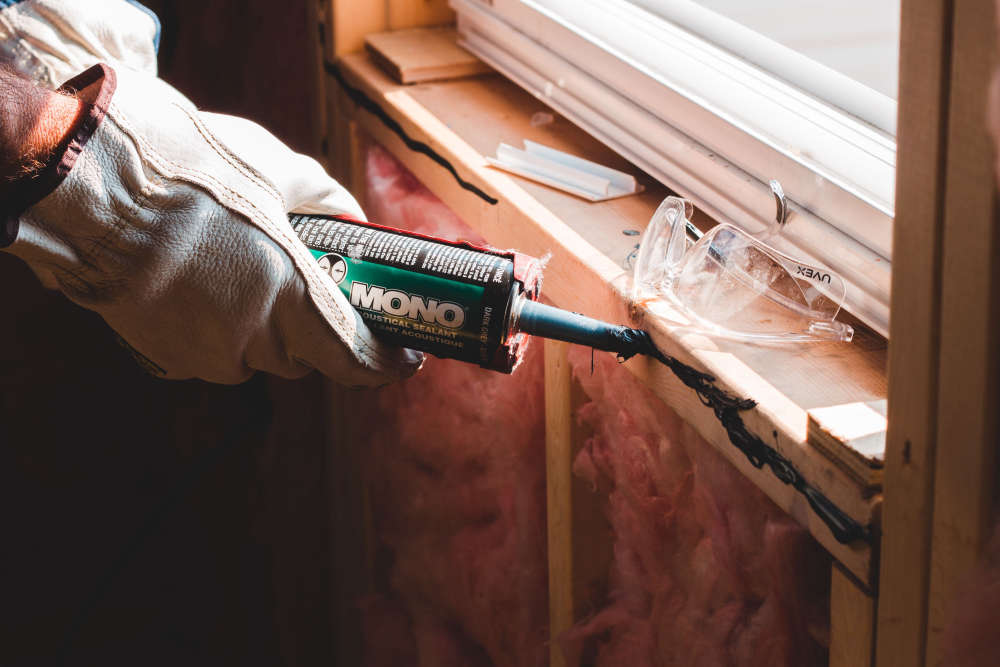
If you want to apply expanding foam precisely and effectively, a foam gun is a tool you need. Whether you’re sealing in gaps around windows, filling cavities or improving insulation, a foam gun provides you with greater precision and less waste than disposable applicators. But even experienced DIYers and tradespeople can make mistakes, and this can affect the quality of the finished job.
Knowing these common mistakes will help you get cleaner results, make each project more successful and extend the life of your equipment.
No Preparation Before Application
One of the biggest mistakes people make on DIY projects is starting work without properly preparing the surface. Expanding foam will not bond effectively if dust, grease, loose debris and moisture are present.
Always clean the area thoroughly and remove any contaminants before applying the foam. A little extra time spent on preparing the surface will pay off in having a better seal and a more professional finish.
It’s also worth planning the route of application before you start, particularly when working in awkward or confined spaces, to prevent uneven coverage and unnecessary mess.
Too much froth
When the foam leaves the nozzle, it expands significantly. One of the common mistakes DIYers make is to fill gaps completely, only to find the foam expands beyond the area they wanted to fill. If you overfill, you’ll have more trimming to do and it can also push against surrounding materials, especially around the frames of windows and doors.
Foam will expand on its own so apply slowly to avoid overfilling. Easier to add a little more later than to remove excess cured foam.
Using the Wrong Method
If you move too fast when using a foam gun, it can affect the quality of the work. The most even results will be obtained by consistent pressure and a steady motion. It also helps to hold the nozzle at the right angle so the foam goes exactly where it is needed.
If you are new to the foam gun, practice on scrap material before tackling the main project. This helps you to get a feel for the sensitivity of the trigger and the expansion of the foam.
Failing to Clean the Foam Gun
A foam gun is an investment and one of the quickest ways to shorten its life is to neglect maintenance. Any foam left in the gun can cure and block internal parts, rendering the gun useless for future use.
When you are done with your work, clean the gun according to the manufacturer’s recommendations while the foam is still uncured. Cleaning regularly keeps the mechanism running smoothly and ensures a reliable performance on future jobs.
Temperature Conditions Ignored
The environmental conditions have a significant impact on the performance of expanding foam. If foam is applied at temperatures outside of the recommended range it can affect cure time, expansion and adhesion.
Cold conditions often decrease expansion, but too much heat can cause the foam to cure too quickly.
Always read the product instructions before you start and keep the foam canisters at the recommended temperature for best results.
Not Wearing Correct Safety Equipment
Expanding foam is simple to use, but you must protect yourself. A lot of people don’t realize how sticky uncured foam can be, and once it gets on your skin or clothes, it can be hard to get off.
Take precautions and use protective gloves, safety glasses and old clothes whenever you are working with expanding foam. Also, good ventilation is recommended, especially when working indoors or in enclosed spaces.
Inadequate Equipment Storage
Proper storage is often over looked after a project is completed. To prolong the life of your foam gun, don’t expose it to dirt, moisture or direct sunlight. Similarly, if you don’t store partially used foam correctly, you might not be able to use it for future projects.
To maximise the working life and ensure consistent performance, follow storage instructions provided with the foam gun and foam canister.