

Electric heating in Guernsey: Off Peak Heating Questions Answered
Thinking of switching from oil or gas to electric heating? Here’s how Guernsey Electricity’s new Off Peak Heat 19 tariff works, what it could mean for your home, and what to ask your installer.
What is the Off Peak Heat 19 Tariff?
Off Peak Heat 19 is Guernsey’s two-rate electric heating tariff designed for compatible off-peak heating systems such as off-peak storage boilers and structural slab underfloor heating.
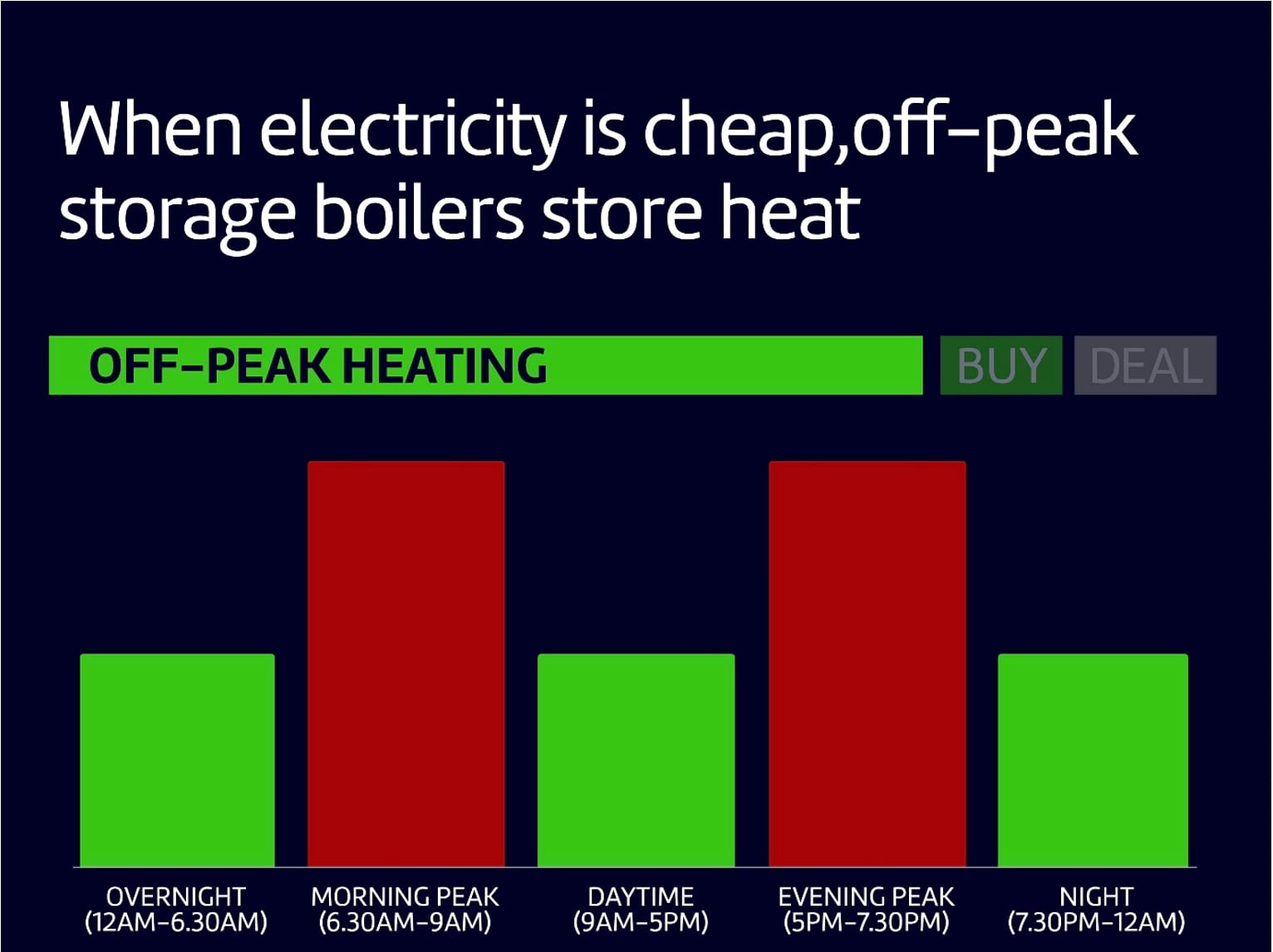
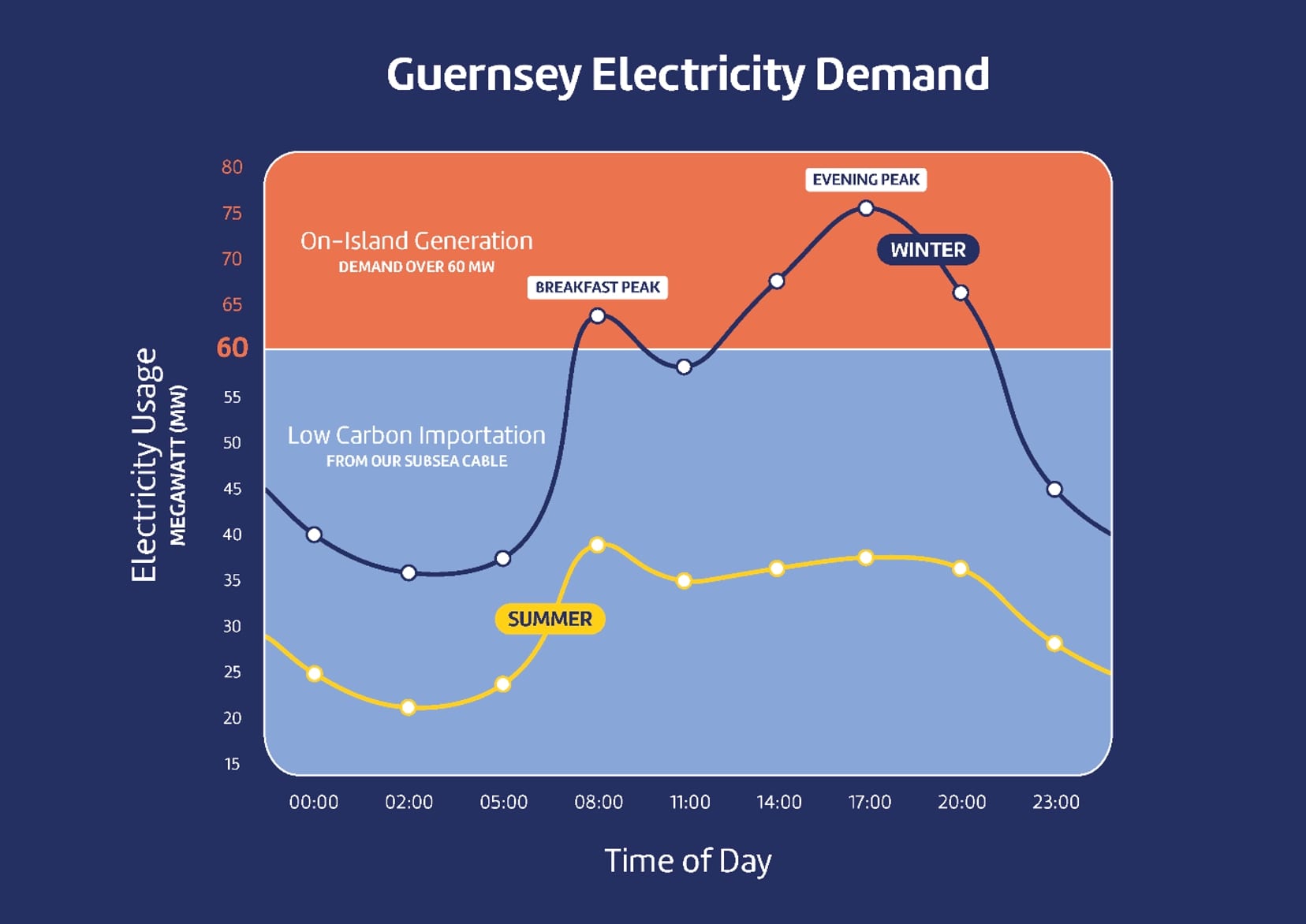
This tariff offers 19 lower-rate (“off-peak”) hours and five higher-rate hours each day, with the express aim to shift more electricity use away from the island’s busiest and most expensive five hours.
How does off-peak electric heating work?
A compatible ‘wet’ thermal storage boiler uses electricity during the 19 lower-rate hours to generate and store heat.
That stored heat warms your home through your radiators, even at peak times when electricity is most expensive to supply. So you can keep your home warm and avoid paying higher rates for your heating.
Will I need to replace my existing radiators and pipework?
Not necessarily. A wet off-peak storage boiler should work with your existing radiators and pipework.
Ask your installer to assess compatibility and explain any changes needed before you commit.
How much does it cost to install?
This will depend how much your chosen installer charges for their electric heating installation services.
You can work with us directly, or if you’d prefer to find someone else, you can find electric heating installers in the local installer directory.
Is Off Peak Heat 19 cheaper to run?
Yes, compared with a traditional electric boiler on the Superheat Tariff.
Off Peak Heat 19 gives an off-peak storage boiler 19-hours of cheaper electricity each day, which could help reduce your heating bill.
But it's not necessarily the cheapest electric heating option available. Air source heat pumps and overnight storage heaters are currently cheaper to run, although they won't be suitable for every property.
That's why it's important to compare both upfront installation costs and expected running costs before you choose your heating system.
Can off-peak heating help if my load application gets refused?
Much like water pipes, Guernsey’s electricity cables have capacity limits. Off-peak heating systems are designed to reduce pressure at busy times, however approval is not automatic.
You’ve got two options.
1) Your installer will confirm if your property can receive enough electricity from the local grid to power an electric heating system as part of their quote.
2) Ask us to check in advance if your property can get enough power using our paid-for ‘additional load’ service.
From £150, you can find out in advance whether there’s enough capacity in your local electricity network to support electric heating in your property. It’ll help you understand what may be possible before you start approaching installers for quotes.
Find out more about Guernsey Electricity’s additional load application service.