

How Active Retirees Are Redefining Growing Older
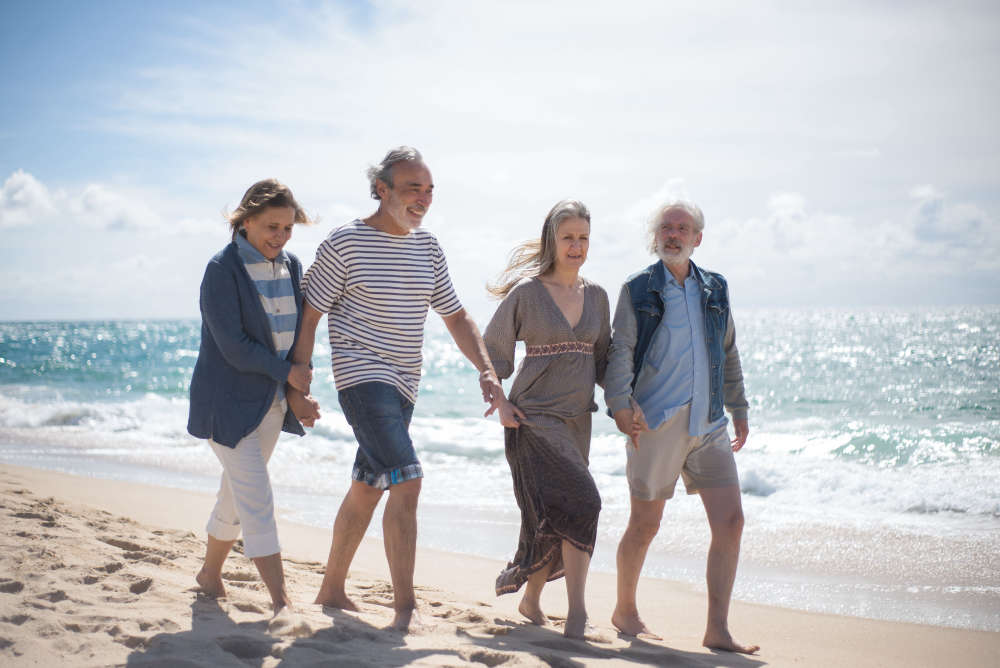 For many years, retirement was often portrayed as a period of slowing down. The traditional image involved leaving work behind, settling into a quieter routine, and embracing a more relaxed pace of life. While relaxation certainly remains an important part of retirement, today's retirees are increasingly proving that later life can be one of the most active, fulfilling, and rewarding chapters of all.
Across the UK, older adults are challenging outdated assumptions about ageing. They are travelling, volunteering, pursuing new hobbies, supporting their families, learning new skills, and remaining active members of their communities. In doing so, they are reshaping what it means to grow older and creating positive examples for younger generations.
For families with children, this shift is particularly significant. Active grandparents are playing larger roles in family life, creating stronger intergenerational connections and demonstrating that age should never be viewed as a barrier to living fully.
Retirement Is Becoming a New Beginning
Many retirees today view retirement less as an ending and more as an opportunity. After decades of balancing careers, raising families, and managing responsibilities, retirement offers the freedom to focus on hobbies and long-held ambitions.
Some take up painting, photography, gardening, or music. Others dedicate their time to community projects, charitable work, or local organisations. Many embrace travel opportunities that were previously difficult to fit around work commitments.
This mindset shift has transformed retirement from a period of withdrawal into a stage of growth and discovery.
Children and grandchildren often benefit from seeing older family members actively pursuing goals and interests. It reinforces the idea that learning and personal development never have an age limit.
Grandparents Are More Involved Than Ever
One of the most visible ways active retirees are redefining ageing is through their involvement in family life.
Many grandparents provide invaluable support to busy families by helping with school runs, childcare, holiday activities, and family events. Their involvement often allows parents greater flexibility while creating meaningful relationships between generations.
These interactions offer children something that technology cannot replace: time spent learning from older family members who bring unique experiences, stories, and perspectives.
Children who enjoy strong relationships with grandparents often gain greater confidence, emotional support, and a stronger sense of family identity. Active retirees play a crucial role in fostering these connections.
Health and Well-being Are Taking Centre Stage
A major factor behind the changing face of retirement is the growing emphasis on health and well-being.
Today's retirees are increasingly focused on maintaining their physical and mental health through regular activity. Walking groups, swimming classes, cycling clubs, yoga sessions, and fitness programmes designed for older adults are more popular than ever.
Remaining active offers numerous benefits, including improved mobility, better cardiovascular health, enhanced mental well-being, increased social interaction, and greater independence.
Importantly, staying active also enables retirees to remain engaged with their families and communities for longer.
Children observing active grandparents receive a positive example of healthy ageing, helping to challenge stereotypes about what growing older looks like.
Community Connections Are Flourishing
Social connections are one of the most important contributors to happiness in later life. Active retirees are increasingly seeking opportunities to build friendships, participate in local activities, and contribute to their communities.
Many retirement developments now place significant emphasis on creating vibrant social environments where residents can enjoy clubs, events, shared facilities, and organised activities.
For those exploring later-life living options, many families are discovering the benefits of modern retirement living, including opportunities for social engagement, wellbeing programmes, and community activities offered through retirement communities in the UK by Retirement Villages.
These environments can help older adults maintain independence while enjoying meaningful social connections that contribute to long-term well-being.
The Positive Impact on Future Generations
Perhaps one of the most significant outcomes of this changing approach to ageing is its influence on younger generations.
Children who grow up seeing active, engaged grandparents are exposed to a more positive and realistic view of ageing. They learn that later life can be filled with opportunities, purpose, and enjoyment.
These experiences help challenge stereotypes while fostering greater understanding and respect between generations.
Family relationships become stronger when multiple generations remain actively involved in one another's lives. Shared experiences, conversations, and activities create memories that benefit everyone involved.