

How Guernsey Labs Keep Medicines Safe and Accurate
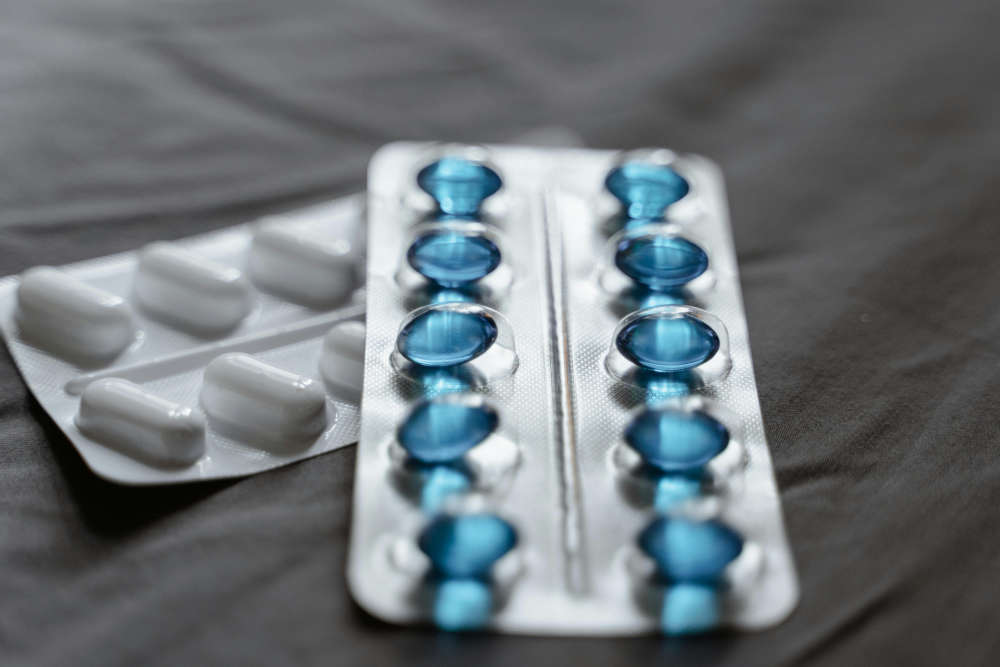
Pharmaceutical laboratories across Guernsey ensure that every batch of medicine meets strict safety standards before it reaches patients. Precision measurement equipment verifies chemical concentrations, moisture levels and ingredient purity. Among these instruments, the titrator plays a central role, automating tests that once depended entirely on manual handling.
A titrator measures the amount of a substance in a sample by adding a reagent until a reaction reaches completion. In pharmaceutical production, this level of accuracy is essential. An incorrect concentration can affect both safety and effectiveness. Local laboratories use these systems to confirm that tablets, syrups and injections contain exactly what their labels state. The same approach applies to raw materials, helping to identify contamination before production begins.
Regulatory expectations have increased in recent years. Data integrity rules require laboratories to document each measurement with traceable electronic records. Manual titration methods, which rely on visual judgement and handwritten notes, can struggle to meet these requirements. Automated titration systems record every step digitally, supporting compliance while reducing repetitive manual work.
Pharmaceutical quality control in Guernsey's laboratory sector
Laboratories in Guernsey conducting pharmaceutical and environmental testing operate under frameworks aligned with UK and EU standards. The Guernsey Medicines Law 2008 sets record-keeping requirements and inspection powers. Consultation with the MHRA ensures standards remain aligned with those applied in the UK. Accurate analytical measurement underpins both patient safety and regulatory compliance.
Titration supports pharmaceutical quality control by verifying active ingredient potency and confirming that each batch meets specification. Environmental laboratories on the island also rely on titration for water quality testing. Many regional labs manage high workloads with small teams, processing multiple samples each day under ISO/IEC 17025 accreditation requirements.
Automated systems help increase sample throughput while reducing variability between tests. Digital record creation provides the traceability required under ISO/IEC 17025. For laboratories balancing efficiency with compliance, enhancing laboratory efficiency using a titrator reflects the role of advanced titration systems designed for regulated pharmaceutical environments, supporting both regulatory standards and daily workflow demands.
How titration technology ensures measurement accuracy
Titration determines concentration by adding a reagent until a chemical reaction reaches its endpoint. Different techniques apply to different analytical needs. Neutralisation titration is used for acid-base reactions. Redox titration measures oxidising and reducing agents. Complexometric titration quantifies metal ions. Karl Fischer titration measures moisture content in solids and liquids.
Manual titration depends on identifying colour changes or reading burette scales. This introduces subjectivity and increases the possibility of variation. Automated systems use electrochemical sensors to detect endpoints objectively, reducing interpretation differences between operators. Laboratories increasingly adopt automated titration to strengthen consistency and reliability.
Accuracy also depends on reagent quality, temperature control and regular calibration. Consideration of measurement uncertainty in analytical chemistry forms part of maintaining reliable laboratory results. Automated titration systems manage key variables in a controlled sequence for each sample, supporting regulatory compliance and consistent performance across operators and shifts.
Potentiometric and Karl Fischer methods in practice
Potentiometric titration uses electrodes to detect endpoint changes through pH or voltage measurement. This method suits pharmaceutical applications involving acid-base and redox reactions, building on the basic principles of acid-base titration reactions. The electrode provides a clear signal, supporting consistent procedures that align with GLP and GMP standards.
Karl Fischer titration remains widely used for moisture analysis in pharmaceutical ingredients and finished products. Water content affects product stability and shelf life. Laboratories apply this method to confirm that raw materials meet moisture specifications before production begins, reducing the risk of quality issues later in the process.
Automation and data integrity in modern laboratory workflows
Automated titration systems execute standardised protocols for each test, reducing variability and supporting consistent throughput. A single technician can manage several samples in sequence, maintaining productivity during busy periods. This approach is particularly relevant for island laboratories operating with limited staffing.
Integration with a laboratory information management system reduces transcription errors and duplicate data entry. Each completed test generates a secure electronic record, supporting structured data handling within modern laboratory workflows. Compliance with 21 CFR Part 11 and EU Annex 11 requires data to remain secure, original and available for inspection. Automated titration systems record user actions and maintain complete audit trails, supporting transparent oversight.
Selecting automation levels for island laboratories
Automation requirements vary between laboratories. Selection depends on sample volume, testing frequency, budget and available technical expertise. A smaller environmental laboratory may choose semi-automated titration to manage costs while maintaining control over routine analyses. A pharmaceutical facility processing higher batch volumes may require full automation with autosamplers to ensure consistent throughput and documented performance.
Workload patterns also influence decisions. Laboratories handling seasonal peaks or regulatory reporting deadlines often benefit from systems that maintain stable output during busy periods. Automation can reduce delays caused by manual preparation and endpoint interpretation, supporting steady turnaround times and reinforcing principles of laboratory standardisation and traceability across routine testing workflows, in line with recognised UK measurement frameworks.
Modular titration systems allow gradual expansion as operational needs change. Laboratories can begin with a core unit and add components to increase throughput when required. This staged approach aligns investment with demand while preserving flexibility for future growth. Over time, expanding automation can support improved consistency, clearer documentation and more efficient use of technical staff.
Regulatory compliance and ISO/IEC 17025 accreditation
ISO/IEC 17025 defines requirements for testing and calibration laboratories, including documented procedures, traceable results and demonstrated staff competence. Automated titration systems support these standards by generating consistent records for each analysis. Pharmaceutical laboratories must also meet GLP and GMP requirements, which require instrument qualification, validated methods and traceable reference materials.
Regulatory oversight in Guernsey operates through local legislation alongside consultation with the MHRA. Laboratories maintain compliance through equipment qualification, validated procedures and secure data handling. By combining structured quality systems with automated titration, island laboratories ensure that medicines and essential water supplies remain safe, consistent and fully traceable. This steady approach supports patient protection and reinforces confidence in the systems that safeguard public health every day.