
How Renewable Energy Can Support a More Flexible Lifestyle
Flexibility has become an important part of modern life. People work from different locations, travel more frequently, use electric transport and increasingly look for ways to manage their homes around their own schedules. Renewable energy can support this shift by giving households more choice over how and when they generate, store and use power.
From solar panels to battery storage, renewable technology can make everyday routines less dependent on conventional energy use.
Greater Control Over Energy at Home
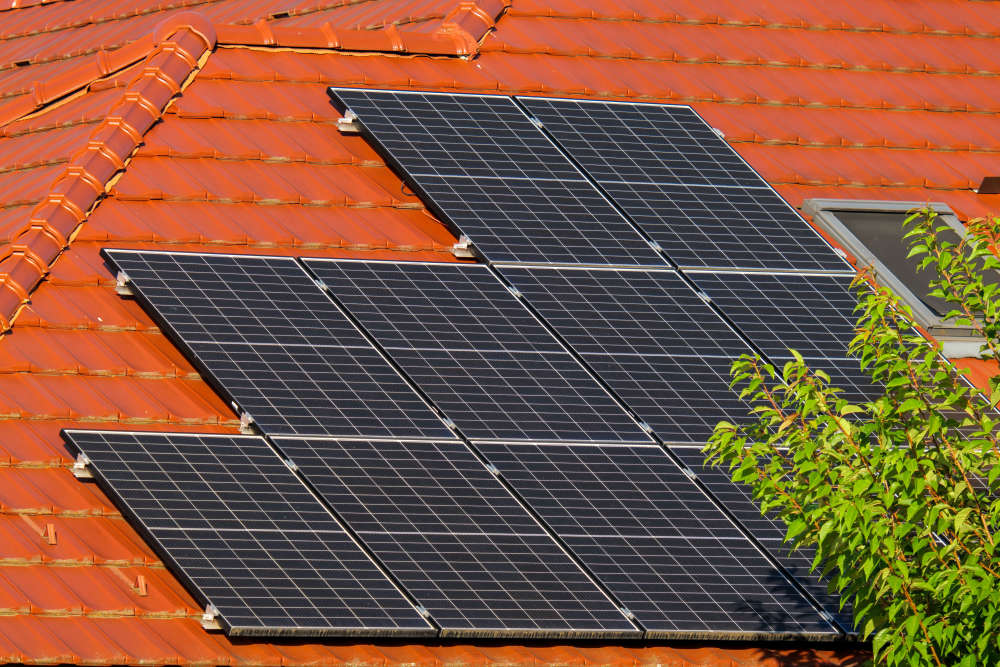
Generating renewable electricity at home can give households more control over their energy consumption. Solar panels, for example, produce electricity that can be used for appliances, lighting, home offices and other everyday needs.
This can be particularly useful for people with flexible working arrangements. Someone who works from home several days a week may be able to run appliances or charge devices during periods when their solar panels are producing more electricity.
Rather than changing an entire routine overnight, households can gradually adjust when they use energy to make better use of what they generate.
Battery Storage Makes Energy More Convenient
One limitation of some renewable sources is that energy production does not always coincide with the moment it is needed. Solar panels generate electricity during daylight hours, while household demand may be higher in the evening.
Battery storage can help bridge this gap. Surplus electricity can be stored and used later, allowing households to make greater use of their own renewable generation.
For people with unpredictable schedules, this added flexibility can be valuable. Energy generated while they are away from home may still be available when they return.
Renewable Energy and Flexible Transport
The move towards electric transport is also creating new connections between home energy and mobility.
Electric cars, e-bikes and other rechargeable forms of transport can potentially be powered using electricity generated at home.
For households interested in combining cleaner energy with alternative ways of travelling, exploring solar power and electric mobility equipment can provide a useful starting point for understanding how the two areas can work together.
An e-bike, for instance, can offer greater freedom for shorter journeys without requiring every trip to be planned around a car. When renewable electricity forms part of the wider setup, transport and household energy can become more closely connected.
Supporting Life Away From the Grid
Renewable technology can also provide flexibility beyond conventional homes. Solar systems and portable power solutions can be useful for campervans, cabins, workshops and other locations where straightforward access to mains electricity may be limited.
This makes renewable energy relevant to people who enjoy travelling, spending time outdoors or working from less traditional locations. The appropriate system will depend on the amount of power required and where it will be used.
Building a Lifestyle Around Smarter Energy Use
A flexible lifestyle does not necessarily require complete energy independence. Small changes can still make a difference. Using appliances when renewable electricity is available, storing surplus power and choosing rechargeable transport can all help households use energy more thoughtfully.
Renewable energy ultimately provides another layer of choice. By combining generation, storage and efficient electric technology, people can create an energy setup that fits more naturally around the way they actually live, work and travel.