
How Serious Illness Can Change Family Roles
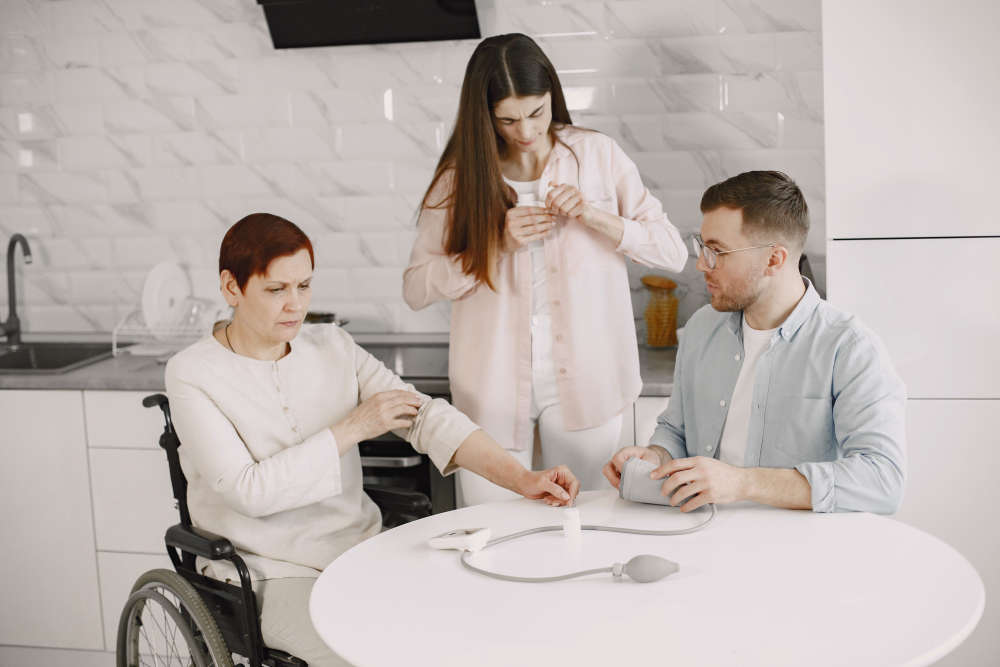
When someone in a family becomes seriously ill, everyday life can change surprisingly quickly. Routines that once felt automatic may need to be reconsidered, and responsibilities can shift from one person to another. A partner may become a carer, an adult child may begin making practical decisions for a parent, or siblings may suddenly find themselves coordinating appointments, finances, and household tasks.
These changes can be difficult to adjust to, particularly when they happen alongside the emotional strain of coping with illness. Understanding how family roles can change can make it easier to navigate this new situation together.
Partners Can Become Carers
One of the biggest changes can happen between partners. A relationship that was previously based around shared responsibilities may gradually become more centred around care.
One partner might start helping with medication, mobility, meals, personal care or appointments. While these tasks may be undertaken with love, becoming a carer can change the dynamic of a relationship.
It is important to keep making space for the relationship itself where possible. Spending time together that is not focused on treatment or practical tasks can help both people maintain a sense of normality and connection.
Adult Children May Take on More Responsibility
Serious illness can also reverse familiar parent-child roles. An adult child who has always relied on their parent for support and advice may suddenly find themselves organising their parent's care, managing paperwork or helping with everyday decisions.
This can feel strange for everyone involved. Parents may find it difficult to accept help, while adult children may worry about becoming overly controlling.
Similar adjustments can occur when caring for a loved one with cancer at home, particularly when increasing levels of support are required. Finding a balance between providing practical assistance and respecting someone's independence can make these changes easier to manage.
Siblings May Have Different Roles
Illness can also change relationships between siblings. One person may live nearby and naturally become more involved in everyday care, while another may contribute financially or manage appointments from further away.
Problems can arise when responsibilities feel uneven. The sibling providing hands-on care may feel overwhelmed, while others may feel guilty that they cannot do more.
Regular, open conversations about what each person can realistically contribute can help prevent resentment from building.
Children May Notice More Than You Think
When a parent or grandparent becomes ill, younger members of the family may also experience changes in their role. They might become more helpful around the house or more conscious of other people's emotions.
However, children should not feel responsible for managing adult problems. Giving them age-appropriate information and encouraging them to talk about their feelings can make an uncertain situation feel less frightening.
Finding a New Family Balance
There is no perfect way for a family to respond to serious illness. Roles may continue changing as someone's health and care needs evolve.
The most important thing is to keep communicating. Talking openly about responsibilities, asking for outside support when necessary, and recognising when someone is becoming overwhelmed can help families adapt.
Serious illness may change who does what within a family, but those practical changes do not have to define relationships. With patience and support, families can find a new balance while continuing to be partners, parents, children and siblings as well as carers.