

Why UK SMEs Should Treat Mobile Wallets as Part of Their Customer Experience Strategy
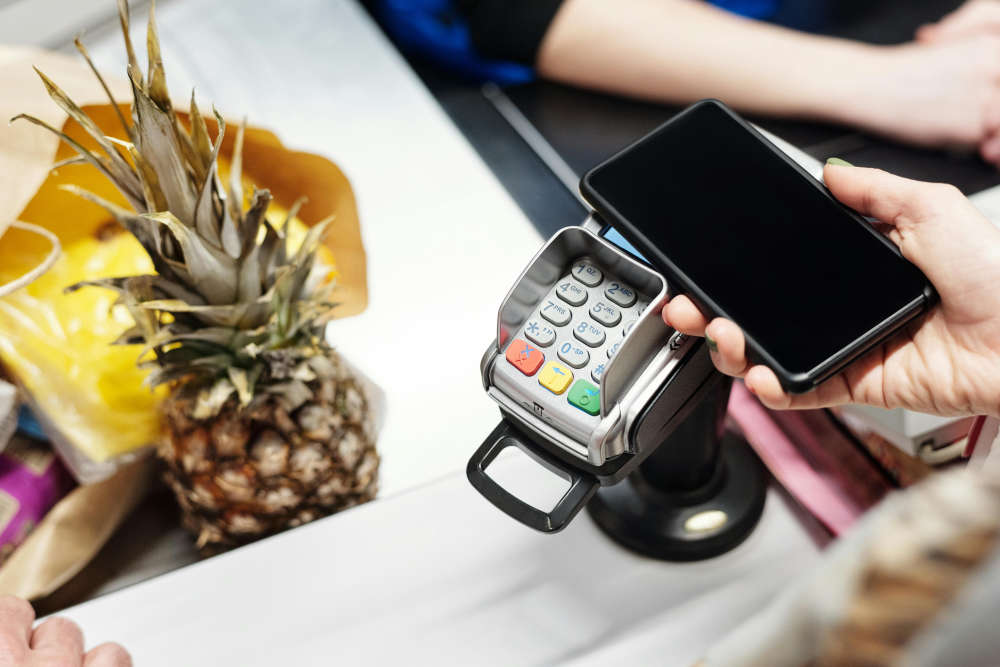
For many UK SMEs, payment systems are still viewed as a technical requirement, a factor to check off a long list when building a sales funnel. What owners rarely think about, however, is that payment methods can actually directly influence the customer experience and whether or not they actually make a payment.
For smaller businesses, payment convenience should be viewed as part of the overall service customers receive, rather than simply as a technical checkout feature. The importance local consumers place on excellent service was reflected in Island FM’s coverage of the businesses and individuals recognised in the 2025 Guernsey Customer Service Awards, showing how seemingly small improvements to the customer journey can help a company stand out.
When we talk about payment methods and systems, we don’t just refer to debit cards and bank transfers these days. Look at the most competitive SMEs, and you’ll see that the top options, often with the broadest audiences, offer a range of mobile wallets, sometimes carrier billing, and a few have even adopted cryptocurrency.
This article explores why British SMEs should consider mobile wallets, why these payment methods are just so popular, and how the checkout can be more impactful than the marketing strategy.
Mobile Wallets and Their Growing Popularity
Not long ago, mobile wallets were a niche payment method that felt more like a curiosity than a reliable option. They were reserved for tech-savvy individuals who like to try cutting-edge fintech solutions. You would rarely see them as options on mainstream checkout desks.
Today, it’s all different. In the mobile wallet space, services such as Apple Pay and Google Pay are now standard expectations for many customers. Naturally, this follows due to more people owning smartphones. However, because of this, UK consumers have grown used to speed in all areas. From quick approval processes to one-tap transactions, they want to pay without a second thought - or stress.
Alina Anisimova, Banking Expert at Mr. Gamble explained that “Payment speed, for all payment methods, is critical in 2026. Consumers make the majority of their payments on mobile devices and tablets, and on these, convenience and speed drive behaviour. SMEs must think about this when designing their payment systems.”
Checkout Experiences Are Now Part of Loyalty
Following on from the popularity of mobile wallets and Anisimova’s quote, it’s key to realise that customers usually do not separate payment experiences (e.g., whether the checkout process was good or bad) from their opinion of a business.
For example, a slow or awkward checkout process can create frustration. Even if the product or service is strong, this may put them off making a repeat purchase. On the other hand, fast processing, familiar payment options and the chance to use mobile wallets can lead UK consumers to come back for more.
Many of these expectations are already the standard in fast growing and competitive markets. Gaming and iGaming are examples of this. They have already implemented fast mobile wallets to appease their audience, which usually skews younger and tech literate. These players know how an Apple Pay casino works and how to purchase games via Google Pay, and expect it as a bare minimum.
Why Small Delays Create Bigger Problems for Smaller Businesses
While any checkout abandonment is not ideal, large businesses can deal with a percentage of checkout abandonment because they are simply larger. SMEs often do not have that luxury.
If customers leave because a payment process feels inconvenient or perhaps they do not see the mobile wallet that they would like to use, the impact can be felt at the top of the SME. It's more noticeable and can have devastating impacts if not addressed.
Therefore, reducing friction at checkout, whether through better payment method variety or a streamlined process (e.g., via good design or payment speed), is a key way to compete with the rest!
Matthew Gover, Online Casino Expert at Mr. Gamble stated that "We've observed that many players or consumers are more likely to gravitate towards brands that offer their preferred mobile wallets. Yet it goes further than that, as sites that load slowly or have confusing checkout design may also be disregarded, and sadly, this can make or break sales for an SME."
Where UK Consumers Already Expect Mobile Wallets
Though they might seem like new technology to some, mobile wallets are already adopted by plenty of Brits. Here’s a quick breakdown of the main sectors mobile wallet use shows up in, and which types of payments UK users choose to make with them.
|
Sector |
Common Wallet Use |
|
Retail (e.g., clothes shopping, tech products, beauty, well-being) |
Used for faster online checkout services, especially on mobile |
|
Food delivery (Mostly delivery apps such as Deliveroo) |
Preferred for app-based purchases — debit cards still better for in-person food shopping |
|
Travel (Commuting and leisure) |
Often used for ticket and booking payments, but some Brits prefer credit cards for booking flights |
|
Digital subscriptions (Any apps or tools, for both business and entertainment) |
Mobile wallets are popular for any recurring payments or app subscription costs |
Mobile Wallets Also Change Behaviour After Purchase
Did you know that payment tools or methods can influence what happens after the first transaction?
That’s right. Factors such as saved payment details and faster repeat purchases (due to said saved details) make returning to the SME easier. This means you are more likely to retain British users who have used the checkout, found a good payment method, and remembered the payment speed.
This is yet another example of why it’s key for British SMEs to adopt mobile wallets into their online roster.
The Pros and Cons of Mobile Wallet Integration
SMEs that add mobile wallet payments into their flow will experience genuine advantages. That being said, it would be naive to say that this adoption comes without any bumps or flaws.
Below, you’ll find the overarching pros and cons of using mobile wallets as an SME.
|
Pros |
Cons |
|
Faster checkout experience for consumers |
Initial setup and integration work can take time and money |
|
Reduced payment friction and fewer frustrated consumers |
Reliance on third-party platforms who may go down |
|
Supports repeat purchases if payment details may be saves |
Not every customer uses wallets, some will need bank transfer options |
|
Provides a better mobile experience |
Some mobile payment systems maintenance requirements |
The Long-Term Value for SMEs
It must be said that mobile wallets are the future. These payment options are becoming part of wider customer expectations rather than standalone payment features that a small group demands.
For UK SMEs, it’s recommended to treat payment options as part of the wider customer experience strategy. Counting these in may offer benefits beyond convenience alone — for both business owners and users. In many cases, the businesses that make transactions feel easier are also the ones customers are more likely to revisit.