


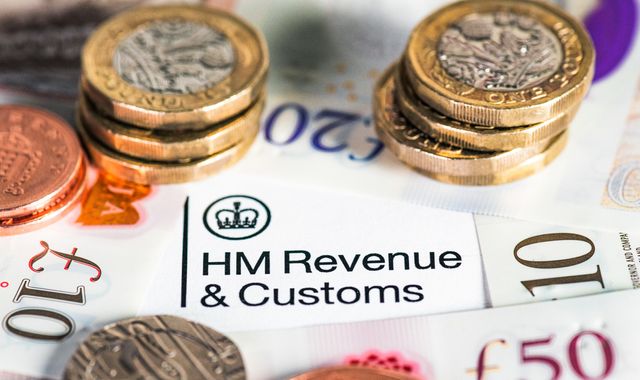
More people are reporting their employers for underpaying staff, data shared exclusively with Money has shown.
A total of 7,622 tip-offs about bosses failing to pay workers the national minimum wage were made to HMRC last year, according to figures obtained through the Freedom of Information Act by TWM Solicitors.
That's up 360% since 2020/21, when 1,656 reports were made to the tax office.
HMRC launched 1,137 investigations off the back of whistleblower reports last year and issued a total of 335 penalties, totalling £2.4m, as a result.
In the previous year, it launched 911 complaint-led investigations and issued 332 penalties worth £1.7m.
With the minimum wage rising earlier this month, experts believe more businesses will be flagged for underpaying staff.
The national living wage for those aged 21 and over rose to £12.71 an hour on 1 April, while the rate for 18 to 20-year-olds increased to £10.85, or £8 for 16 to 17-year-olds and apprentices.
Andrew Peters, partner in the employment law team at TWM Solicitors, said: "We expect more businesses to be reported for failing to pay the national minimum wage as cost pressures on employers continue to grow.
"It's clear that many businesses in sectors like retail and hospitality, where starting salaries are just above the NMW, are under particular pressure to keep their payroll costs down."
Read more from Sky News:
Why don't experts agree on overpaying your mortgage?
The government's political dilemma on student loans
He pointed out that it was easy for businesses to violate the minimum wage rules without even realising it.
For example, a worker's pay can fall below the minimum wage if their employer deducts costs such as lunch, travel expenses, parking permits and uniforms from their salaries.
Employers can also breach minimum wage rules by failing to pay workers for the correct amount of time they worked.
These errors can occur, for example, due to rounding clock-in times, underpaying travel time or paying workers day rates or regular hours despite them working longer hours.
What should you do if you think your boss is underpaying you?
If you suspect that you are being underpaid, you should do your own calculations as best as you can and check your contract, hours worked and payslips, said Peters.
From there, you should speak to your employer - informally but clearly.
"Mistakes or misunderstandings can and do happen, and often any underpayments can be quickly corrected," he said.
However, if the employer ignores or brushes aside the concerns raised, and any underpayment is not corrected, you will need to take formal action.
You should raise a formal grievance and use the employer's internal process and procedures to resolve it, Peters added.
If that does not work, you should take your employer to an employment tribunal, subject to strict time limits.
If you really did not want to act personally, you could separately report your employer to HMRC, Peters said.
"HMRC can investigate, issue notice of underpayment going back up to six years, impose financial penalties and can publicly name and shame employers," he said.

(c) Sky News 2026: Huge rise in workers tipping off HMRC about bosses underpaying staff
 Mark Kleinman blog | Aldermore-owner picks banks to rev up sale after motor finance ruling
 Fans feeling 'neglected and ripped off' over ticket price laws
 Tesco swapping barcodes for QR codes in UK 'first' - here's why
 GDP grows by surprising amount but it could be last uptick for a while

