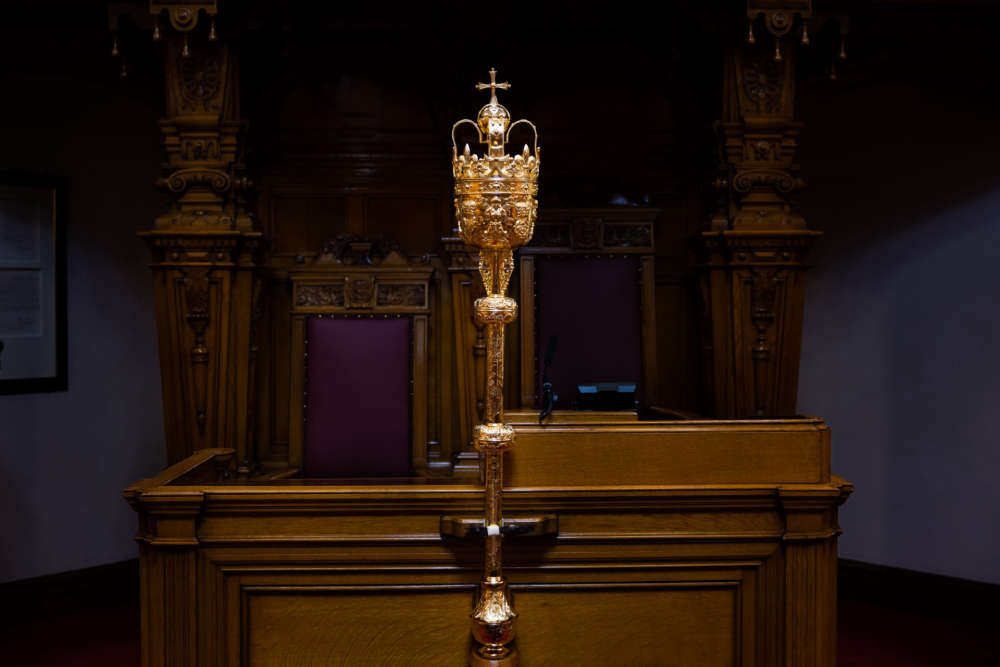
It's the 360th anniversary of the Royal Mace, with islanders invited to see it.
In 1663, the almost five-foot-long mace was given to the island by King Charles II to symbolise Jersey's special status and relationship with the British Monarchy.
It was also presented as a sign of gratitude by the King for offering refuge and loyalty during the English Civil War and for proclaiming him in the Royal Square following Charles I's execution.
The translated Latin inscription on the foot of the mace:
‘‘Not all doth he deem worthy of such a reward. Charles II, King of Great Britain, France and Ireland, as a proof of his royal affection towards the Isle of Jersey (in which he has been twice received in safety when he was excluded from the remainder of his dominions), has willed that this Royal Mace should be consecrated to posterity and has ordered that hereafter it shall be carried before the Bailiffs, in perpetual remembrance of their fidelity not only to his august father Charles I but to His Majesty during the fury of the civil wars, when the Island was maintained by the illustrious Philip and George de Carteret, Knights, Bailiffs and Governors of the said Island."
Now, the Bailiff's Mace is part of a special ceremony at the start of the States Assembly.
In order to keep the almost 15lb mace in good condition it cannot be touched and all bearers must wear gloves to preserve it.
It is customary to place the Royal Mace at the head of the Chamber and is an integral ceremonial part of Royal visits and Royal Court Sittings.
Islanders can see the 11-piece silver gilt mace on Saturday 2 December, on guided tours at the Royal Court Atrium from 12:00 pm until 4:00 pm.
 Wonky Town 2026 is cancelled
 'Design code' being drawn up for Gorey Pier
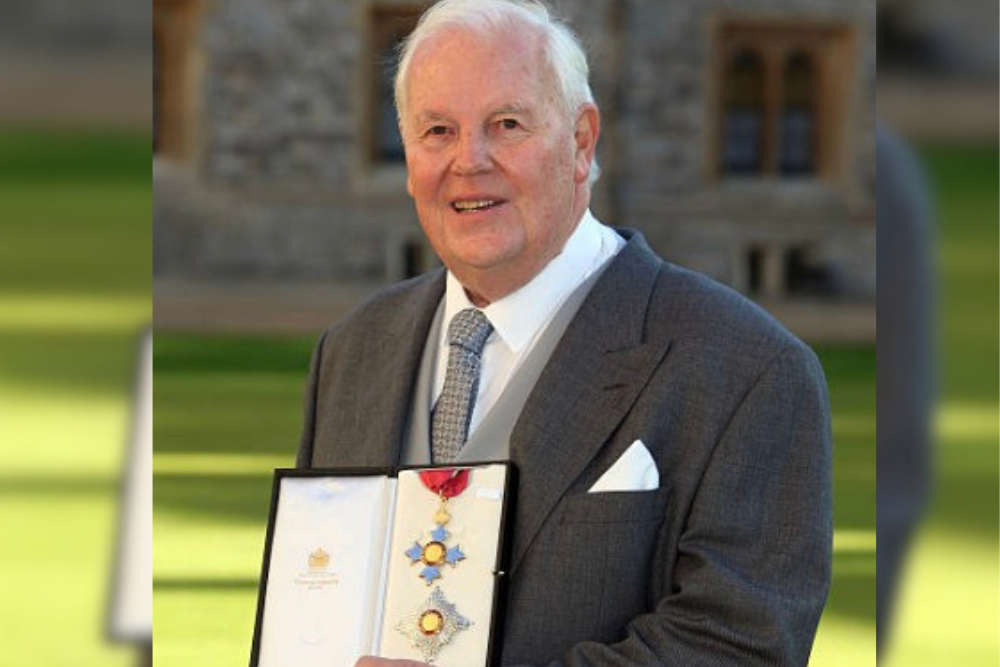 Jersey philanthropist remembered as a 'truly remarkable man'
 Channel Islanders in the Middle East told to follow local warnings
 Channel Islands mobile portability issues to be resolved soon
 LibertyBus fares increase 8% for adults and 10% for children
 Jersey could be back in rugby national leagues
 'No-fault' divorces allowed after 'long overdue' law change