

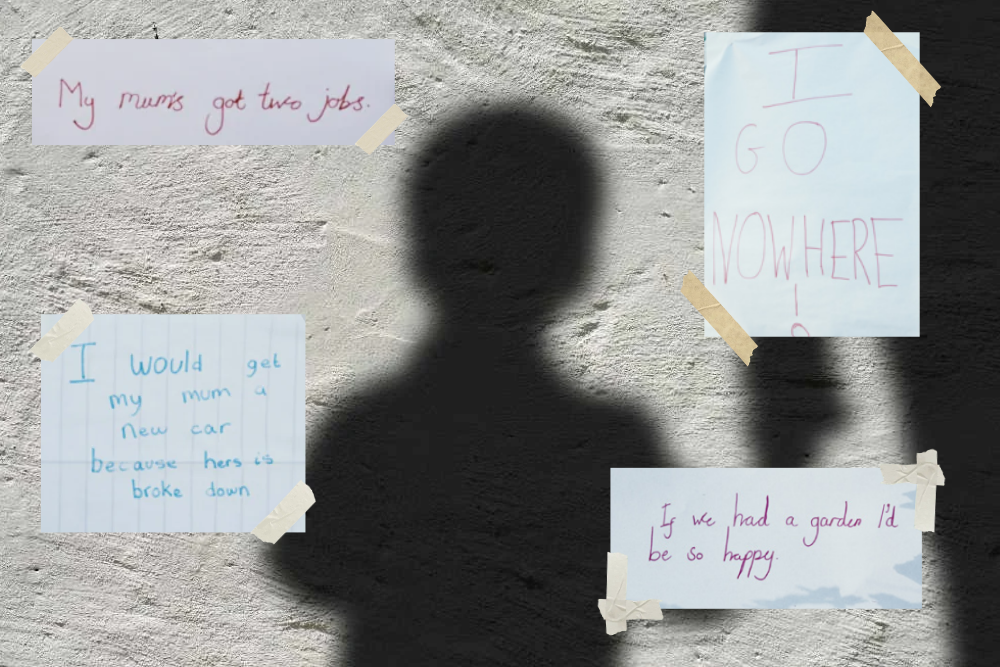
A powerful new report shines a light on the realities of growing up in poverty in Jersey, told through children's own words.
136 children, aged between 5 and 18, have spoken about their lives, revealing the hidden weight of money worries in childhood.
‘Less Money, More Stress', named from the words of one child, looks into children's experiences of finances and how this shapes their world.
"It’s hard because... you don’t want to really ask for anything because you know it will cost money."
They feel a burden on parents' purses, even for doctor appointments, don't ask for what they want or need, and fantasise about having a garden.
The report - commissioned by the Office of the Children’s Commissioner for Jersey and conducted with childhood poverty specialists from the University of Lancashire - found stark disparities, some families going on multiple trips per year, some having never left the island, telling researchers, 'I go nowhere'.
It aimed to tease out their feelings about money and how this related to children's rights under UN law, to find where Jersey children do not have access to their basic rights because of cost factors.
It showed that Jersey's young people are inheriting financial anxiety from the age that they can understand speech.
What does child poverty look like in Jersey?
Internationally, the rate of child poverty is initially defined as the percentage of children who live in households with less than 60% of the median income for comparable households.
Whilst Jersey lacks up-to-date child poverty statistics, the evidence currently available paints a consistent picture of significant and ongoing financial pressures affecting many families with children.
The most recent Jersey Household Income Distribution Survey found that around one in four children were living in 'Relative Low-Income' households.
23% of households struggle to heat their homes; 15% cannot cook a main meal every day.
Almost one in five children lack multiple essential items.
Children from non-Jersey or non-British backgrounds experience higher levels of material deprivation.
How does that shape and affect the lives and mindsets of children?
Material Needs
Food and clothing: "[a child with money is] guaranteed dinner every night."
"You need money to actually get clothes, and get shoes what don’t get holes in them."
One in ten young people reported not having enough to eat. A few children and young people (around 1 in 20) indicated they did not have sufficient clothes and shoes in good condition. Many were aware of the cost of food.
If they were to suddenly win a lot of money, children talked about buying new clothes for themselves, their friends or their siblings.
Children also spoke of witnessing family stress during supermarket shopping where discount offers were not honoured, and parents had to return items.
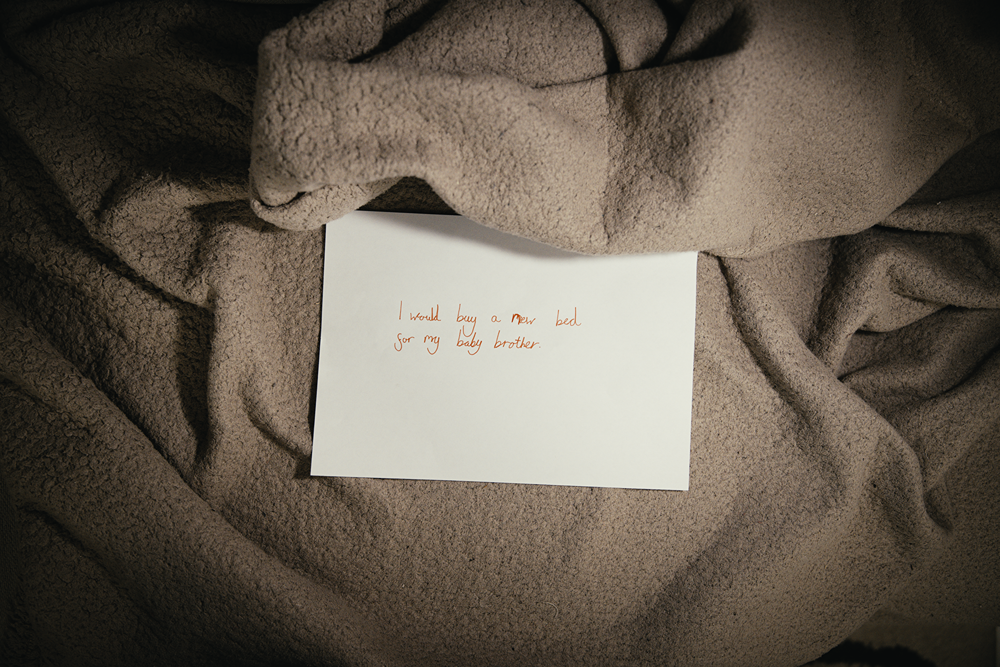
Housing: "We used to live with one of my parent’s friends… then another friend …and then we moved … because like we couldn’t afford it and stuff and then it just kept on getting worse.’
Children and young people spoke about the cost and quality of housing. Some had concerns about costs while others were protected from this worry.
Living in crowded conditions was also mentioned.
In response to questions about what to buy if they had more money, the report says 'a surprising number' of children mentioned buying beds and bedding.
Children were also aware of household bill costs; some were actually or potentially helping to pay bills.
Health
Children’s concerns about the costs of healthcare extended to their whole families. One child described a parent not going to a GP because of the cost.
Some children said, if they won a lot of money, they would stock up on medicines.
Children with health conditions expressed guilt, or awareness of how much procedures cost, and that their parent had to pay.
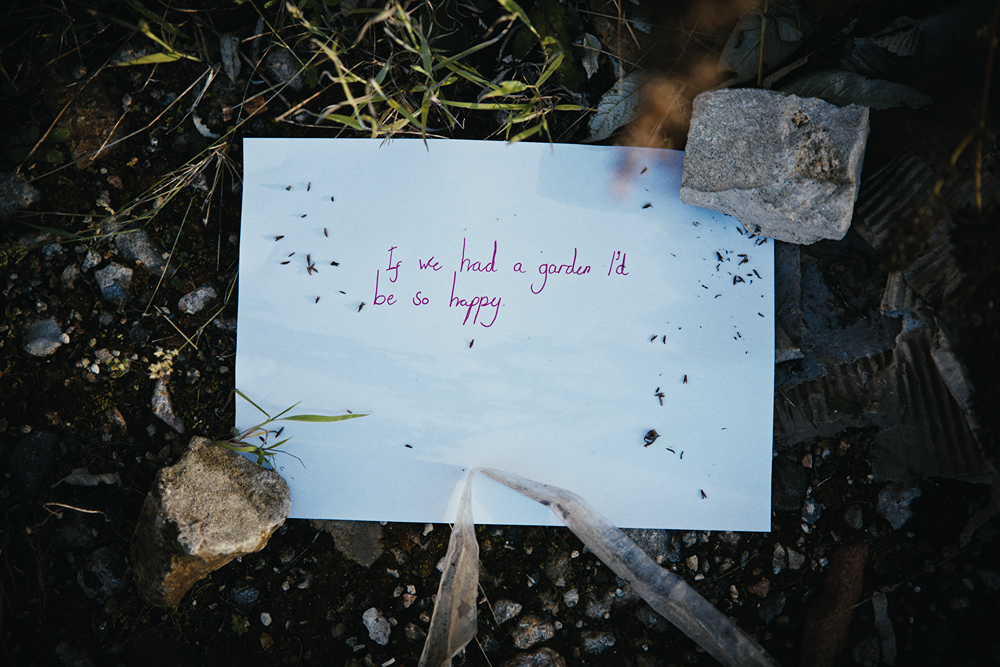
Environment: "If we had a garden I’d be so happy."
Access to an outdoor space varied widely and related to money. Those who lacked space (a garden or balcony at home), imagined what they would do with it.
Some children were unable to go out to play because they had no one to accompany them, with parents being busy or older siblings unavailable.
Transport: "You could get a few trips on the bus or you could get some just some small food items.’"
The cost of public transport meant some wouldn't travel. Some children said they used the bus only with grandparents who had free travel. Another child described walking with their father as their family did not have money for the bus fare.
A young person in the discussion weighed up the cost of a bus pass against buying food.
Fuel and transport costs placed a strain on some families’ ability to earn money and affected getting to hospital appointments.
‘"Currently he can’t do one of his jobs because of his van breaking down… So he can’t do his part-time job which is … like delivering food and stuff, and because of the cost again to try and get those fixed by a proper mechanic, he can’t afford it."
Access to internet: "My dad still is in [home country], and it’s been three years since I last saw him … I talk to him very much like through phone."
1 in 15 young people had reduced digital access (no mobile phone or lack of internet) at home.
Some families were making choices to fund phones with internet access, even when money for other material necessities was short, because it was a matter of safety.
Some had damaged phones or laptops, and one had to give theirs to a parent.
'" don’t personally have a laptop. … because I can’t really afford it.'"
"My mum uses my phone, so I’m not really allowed my phone anymore. … like it’s just my mum’s phone broke … So she’s still currently using my one. … I haven’t had my phone for like what, three years now, four years."
Opportunities
Education: "[money means] you can go to a better school."
Many young people knew that the cost of private education was beyond their families’ means.
Other young people described the costs of school trips as a barrier to participation.
Some young people were making difficult choices about what to study based on what might help them earn sufficient income.
"I’m not going to be able to do the courses I want because my family can’t afford to pay the fees. So I’m going to end up doing something that I really don’t want to do and what’s the point."
Play and leisure: ‘"Money allows for children to do things more often or even at all..."
Younger children tended to be happier with the variety of different spaces available, while young people felt there was ‘nothing to do’ without spending money.
Although the cost of attending youth club is low (about £1.50 per session), some children paid this out of their own pocket money and one child mentioned sometimes not being able to afford to go. Several mentioned sometimes not buying food there to save money.
Other sports and leisure activities that required payment were beyond the reach of some children and young people.
"I’ve stopped it now … Because my mum says it’s too much to pay and stuff because me and my sister both go."
Barriers related to combined costs of attendance and food: "Many people … they don’t have, like, cars so some people have to order a taxi which is a lot of money, so some people just can’t go."
Parents who worked long hours, or worked alternating shifts, were less likely to be able to provide transport.
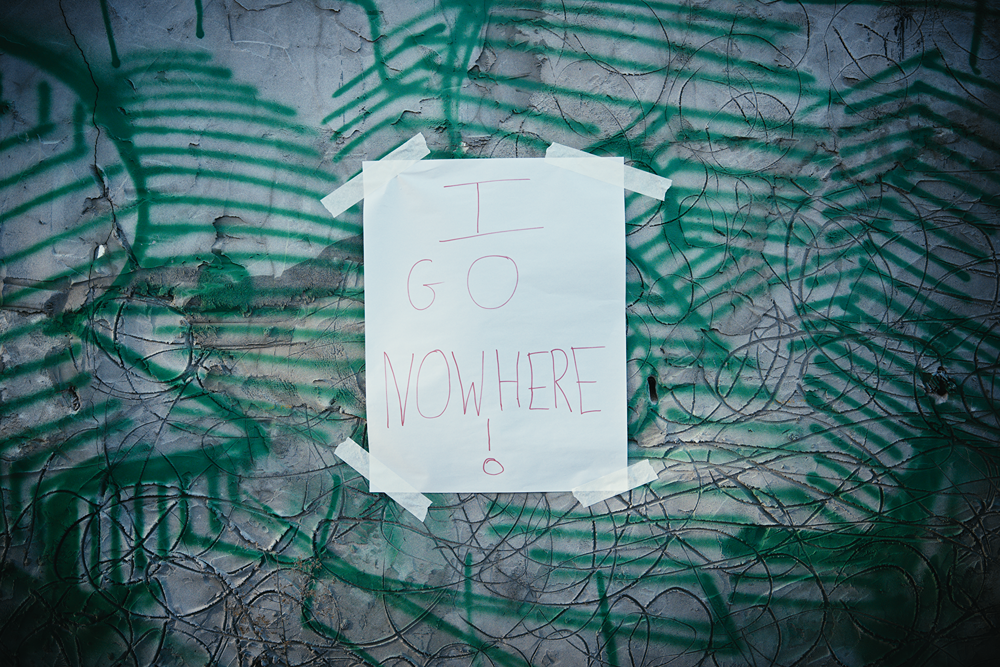
Holidays: "I go] nowhere."
When asked what they do during the holidays, some children reported multiple overseas holidays a year whilst others had never left the island.
Those who had never (or rarely) had a holiday, were often saving up for holidays off the island, so that they could see family members.
Working and earning money: "My brother does help with the rent but he’s moving soon, so this expense is going to come to me afterwards."
Children and young people spoke of how earning money was important to them, and some were active in caregiving to disabled siblings.
Children and young people who spoke English better than their parents and peers were often relied upon as interpreters:
‘"Dad] calls me and asks me to just be there with him just in case he doesn’t know how to explain himself … then I would translate it for him."
Some young people were struggling to access employment and the experiences and income this offers, due to lack of opportunities and the demands of education.
Feelings about the future: "It’s just I don’t think I... could live here because it’s so expensive."
Pressure about housing weighed on some young people who were looking towards the future with worry about costs.
Children spoke of the significant contribution parents made to try to help them achieve ambitions like sporting success or performance careers.
But they reported contrasting experiences about how much they were able to engage in such activities, again related to money, as support relied on parents being able to give time and cover travel costs.
Awareness of money issues therefore colours young people’s aspirations for the future.
Relationships
Some described challenges in having the right people to talk to about problems, to help solve problems and to help do the things they care about.
Others reported worrying about money or about how much it costs to get the things they need and feeling embarrassed, left out or different.
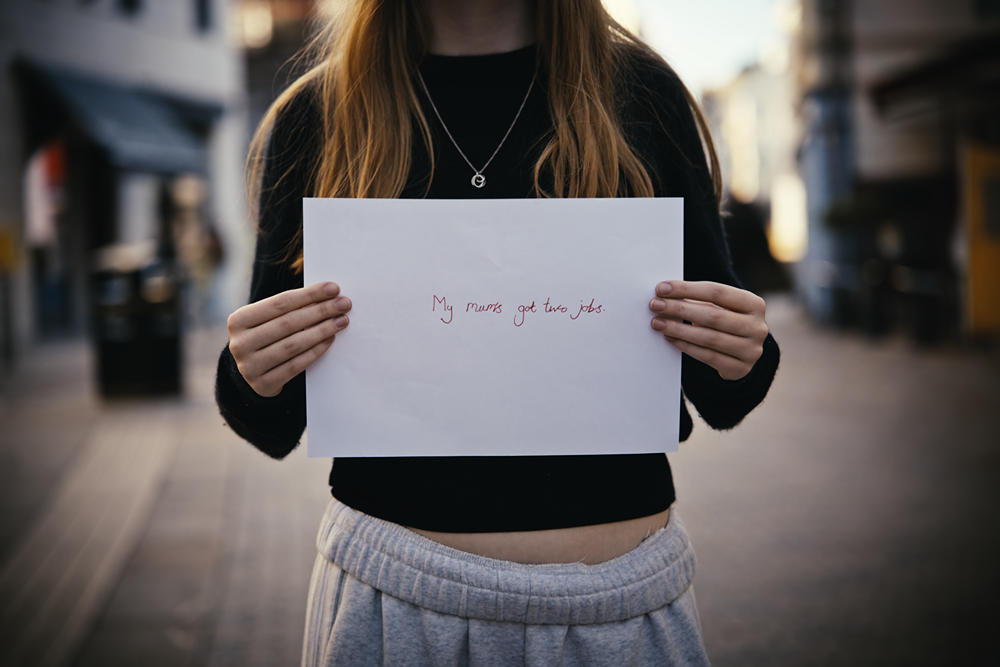
Family: "My mum’s got two jobs."
Children and young people who described not spending enough time with parents tended to relate this to work.
Working hard was seen to lead to stress, which could affect children.
There was a marked difference in experiences for children and young people who had access to extended family relationships on the island, compared with those who did not.
In contrast, children and young people who had family (sometimes separated parents) off the island relied on money for online communication and travel.
Friends: "My friends are really important to me."
Youth clubs and activities were important places in which connections with friends were maintained or grown.
Money made a difference to whether children could join in on activities with friends.
Feeling good: "If you’ve got more money people might think of you as more important, so they might listen to you more."
Young co-researchers described feeling good as related to not worrying and feeling happy, safe, relaxed, valued, heard and understood. Some children noted that money does not come into this.
But some young people noted that discrimination and experience of rights is a money issue.
Community: "If you’re not fluent in English it’s not easy."
Children from migrant worker families often reported aspects of material and opportunity poverty, which were compounded by language issues.
The children themselves were also asked to make recommendations to the government and other bodies on how to help with the issues raised in the research.
Free clubs, more youth funding, and food provision were amongst children's asks of government.
The Children's Commissioner, Dr Carmel Corrigan, said:
"Children experience poverty differently to adults.
"Additionally, children have no control over the circumstances into which they are born or the financial pressures faced by their families.
"Public policy therefore has a particular responsibility to consider how decisions affect their lives and life chances.
"Effective responses to child poverty therefore extend beyond income measures alone. They also involve decisions about public services, social infrastructure and wider policies that affect children’s daily lives."
The report has been published on the same day as the findings of a survey about the cost of living, revealing two thirds of households are struggling with everyday costs.
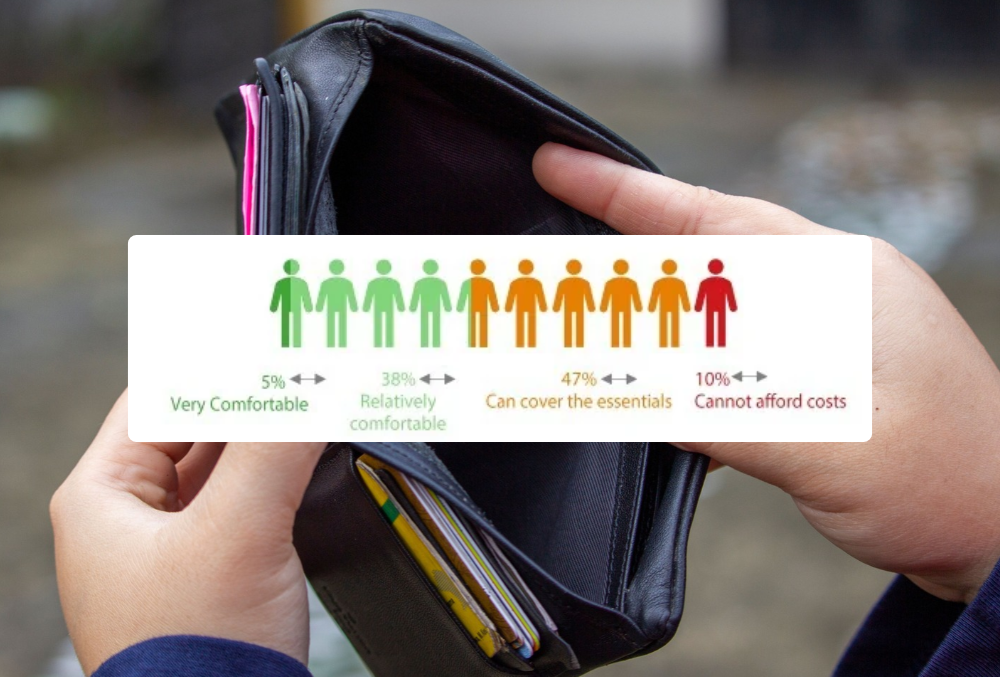 10% of Jersey households struggle to afford essentials
 3...2...1... Time to turn on those town Christmas lights!
 Gas company appoints new safety boss
 Pedestrian dies following collision in St Ouen
 Islanders urged to download Safe Places app
 Bye-bye Babybaras!
 'Relief' as northern roadworks paused for Maufant project
 Gamers gear up for midnight launch of long-awaited GTA 6

