


Tests have given an accurate measure of the levels of PFAS in the food supply for the first time.
The independent PFAS scientific advisory panel and Jersey's government have jointly published the results of tests on soil and produce taken from across the island.
Samples were taken and analysed for the presence of the so-called 'forever chemicals'.
PFAS in food and water is one of the main ways humans are exposed. The government says PFAS is everywhere in the environment globally and some levels are to be expected in food in every country.
The results of the testing programme reveal many samples were below detectable levels completely and the 'overwhelming majority' of food samples were found to have PFAs levels 'well below' EU maximum levels.
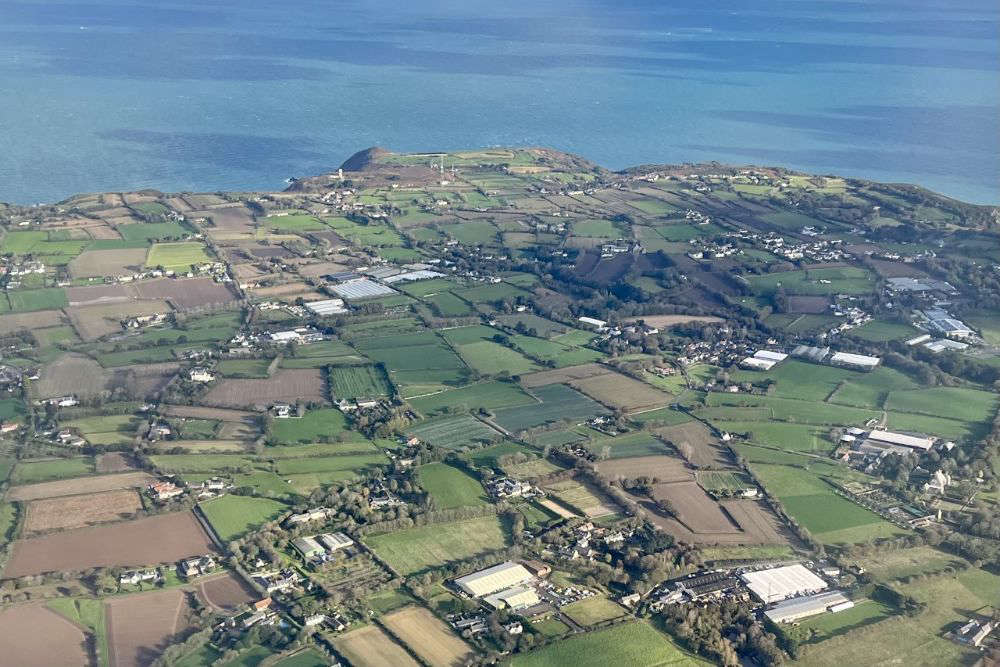
The government summarised the results as follows:
Jersey Royal and maincrop potatoes were all below the EU indicative level for concern. There was one exception from the plume area, which tested slightly higher. 50% of samples across the island were below detectable levels completely.
Jersey milk was measured below detectable levels.
Jersey eggs all contained levels less than 50% of EU maximum permitted level.
Jersey fish and seafood, including oysters, crab, lobster, scallops and black bream results were all well below the EU maximum levels, with the highest being just 20% of the EU maximum level.
Jersey beef and pork meat samples were well below EU maximum level. The highest was slightly higher than 10% of the EU maximum level.
Offal, in all but one case, was well below EU maximum levels.
Pork liver was found to contain high levels which exceeded the EU maximum level.
The advisory panel has found that PFAs levels in food are generally reducing globally.
The panel says the PFAS in people's bodies now are more likely to be linked to past exposure.
They also tested soil from several places across the island and found that PFAS levels are at or near 'background level', aside from the known plume area in west/St Ouen's Bay linked to the historical use of firefighting foam at the airport.
The government say this indicates that 'the island doesn’t have a wider environmental PFAS issue.'
Environment Minister Deputy Steve Luce says the results are 'very reassuring':
“They show our food supply is safe and that PFAS levels in our agricultural produce are very low – and in many cases undetectable.
“The soil tests show that PFAS has not spread beyond the known plume area around the airport, and that Jersey does not have a wider PFAS issue.
The scientific panel has also published its interim report 4, which looks at the weekly tolerable intake of PFAS in food and water as identified in global science, and published its draft recommendations for managing PFAS in the environment.
The Minister says he will carefully study its recommendations and respond in February.
 Guernsey Airport releases former Blue Islands aircraft
 KLM revives direct flights from Jersey to Amsterdam
 Record retirement year for Rhona's
 Cheaper parcel prices for 2026
 Draft Food Law lodged to protect people with allergies
 WATCH: Last Blue Islands plane leaves Jersey
 Jersey pupils secure places in STEM Racing UK National Finals
 Plémont puffins get a Christmas makeover