

A less invasive prostate cancer treatment is as effective as radiotherapy and surgery but with fewer side effects, a major study suggests.
Focal therapy only targets the area of the prostate with the most significant cancer and avoids damaging surrounding tissue.
Common treatments such as prostate removal can cause long-term problems with urinary incontinence and erectile dysfunction.
However, focal therapy has a five-fold lower risk of these side effects.
Former prime minister Lord Cameron and Jeremy Clarkson both received the treatment, and it's hoped the results will convince healthcare advisory body NICE to recommend its use is expanded.
The NHS currently only offers it in England, at a few centres mostly in London and the South East.
Researchers from Imperial College London found only two out of 3,477 men had died 10 years on from having focal therapy, while three in 100 saw their cancer spread outside the prostate.
These rates are similar to the outcomes for surgery and radiotherapy.
"The results of our study are really encouraging," said Dr Alexander Light, a urology registrar and doctoral fellow at Imperial College London.
He said many patients had benefitted, "including men with more aggressive disease who would traditionally have been told focal therapy wasn't an option for them".
It's estimated around 50-66% of cancers which have not spread and are localised to the prostate - around 15,000 cases each year in the UK - would be suitable for the therapy.
Read more from Sky News:
Patients in deprived areas wait longer for NHS treatment
Man charged with assisting Iranian intelligence service
The treatment can take three forms: high-intensity ultrasound; cryotherapy to freeze and kill the cancer cells; and irreversible electroporation - also known as the Nanoknife - which uses electrical pulses.
Joint senior author Professor Hashim Ahmed said it was the largest and longest-running study to show focal therapy's "excellent long-term cancer control across a broad range of patients".
"Right now, only about 1,000 men per year have the treatment, when up to 15,000 men could - and are either not told about it, or do not have local access," he said.
Prostate cancer is the most common cancer in the UK, with 64,000 cases diagnosed each year and more than 12,000 deaths.
The health secretary recently decided against bringing in a mass screening programme after a committee said it could do "more harm that good" as some men would be treated unnecessarily.
But campaigners - who had urged the government to reject the advice - called it a missed opportunity to save lives.
Former Sky News presenter Dermot Murnaghan, who died at the weekend, was one of those to call for wider testing.
The new research is published in the journal European Urology.

(c) Sky News 2026: Prostate cancer treatment with fewer side effects 'as effective as radiotherapy and surgery'
 Teen's mother calls for greater online child safety as High Court orders new inquest into son's death
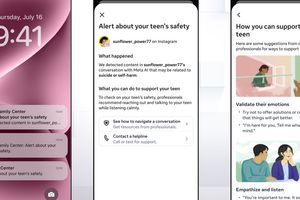 Meta to alert parents if teenagers ask Instagram AI chatbot about suicide or self-harm
 TikTok being investigated by Ofcom over child safety measures
 Wildfires force thousands to evacuate as skies darken over US and Canadian cities