

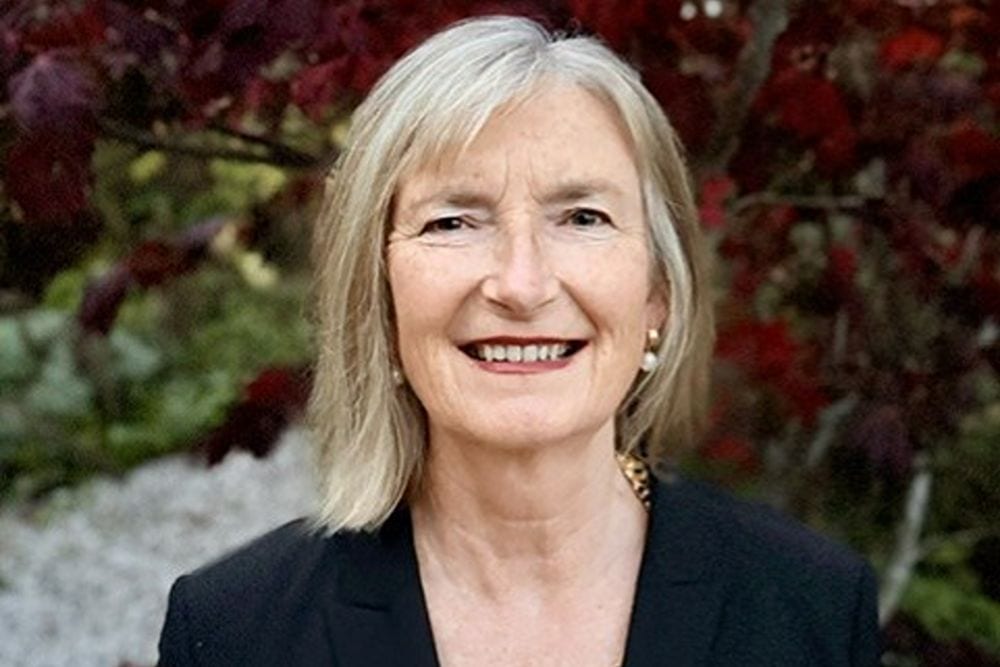
An islander with experience of end-of-life care is needed to join a committee overseeing the introduction of Jersey's Assisted Dying Service.
A group of up to 15 people will be developing the first service of its kind in the British Isles, from scratch. It could be running by next September.
Led by Dr Sarah Wollaston, the Assisted Dying Assurance and Delivery Committee will consider how the workforce will be trained and supported, the operation guidelines and legal protections.
The committee's make-up will be a balance of health professionals and those who are independent of the service provider.
Central to that will be having someone who can represent patients and relatives.
Dr Wollaston told Channel 103.
"The main qualification for this role is somebody who understands what it is like because they have been supporting someone, or themselves been receiving palliative care and can be that really clear voice and take part in all the committee discussions, keeping us all focused on patients.
"We must never lose sight of the people who are really at the heart of this."
The committee is expected to meet at least ten times a year, and the time commitment is expected to average 15 days a year.
Also being sought is someone who works in delivering end-of-life care, but is independent of Health and Care Jersey.
Details of the positions, and how to apply, can be found here.
Dr Wollaston says the work will extend beyond the service being set up:
"Every time someone has an assisted death, there will be a review afterwards by a review panel and this is something that will be passed to the Assisted Dying Assurance and Delivery Committee. We will be monitoring the service very closely to make sure it is operating within the law."
 Lifesaving skills on show for Restart a Heart Day
 Haut du Mont trial: Jury retires to consider verdicts
 JCG wins national award
 Mother funds special pram for bereaved parents
 Teen assaulted in St Helier
 Water leak closes La Pouquelaye
 Busy Bees nursery at Jersey Leeward to close
 Haut du Mont trial: 'Procedures, instructions, and safeguards were ignored'