


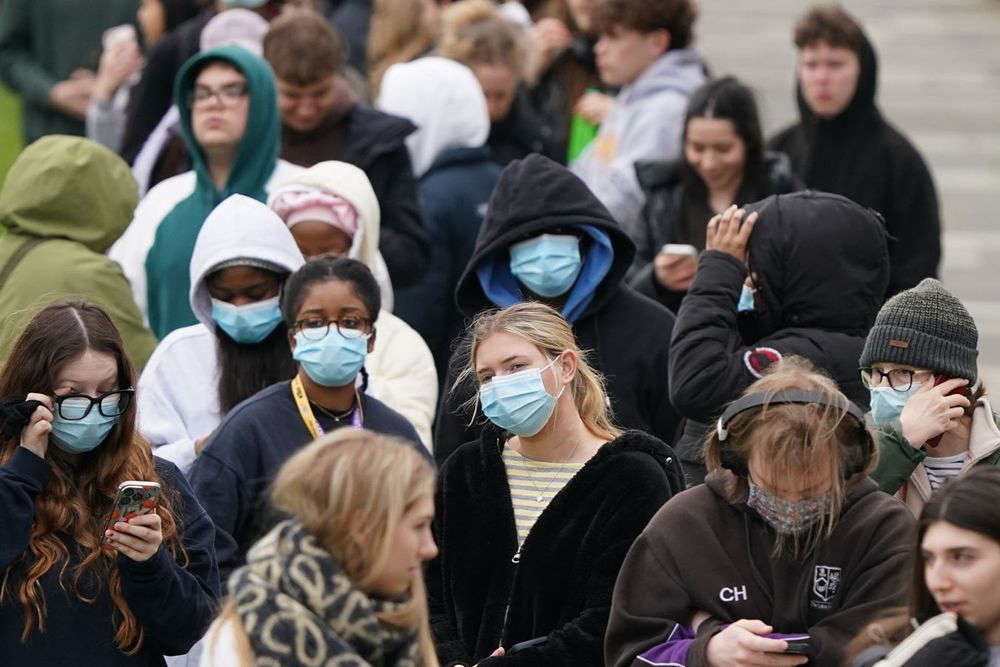
Islanders should be aware of the symptoms of meningitis following a fatal outbreak in the UK.
20 cases of meningitis have now been confirmed in Kent. Two young people have died.
At least four of the meningitis cases have been confirmed as Meningitis B, or MenB - a serious bacterial form of the illness.
A targeted vaccine roll out will begin today (18 March) for students in halls of residence at the University of Kent.
Routine vaccination of babies for MenB was only rolled out in 2015, so those aged over 10 will not have received it as part of the childhood immunisation programme.
The UK Health Secretary Wes Streeting said he would ask the independent Joint Committee on Vaccination and Immunisation (JCVI) to "re-examine eligibility for meningitis vaccines".
In Guernsey, the MenACWY vaccine is available free of charge up to the age of 25.
The MenB vaccine is only available privately to groups other than babies. Nationally, stocks are low due to the increased demand following the Kent outbreak.
Hundreds of people in Canterbury, including those who attended a nightclub called Club Chemistry between 5-7 March, have been given preventative antibiotics.
The response to the 'unprecedented' outbreak is being coordinated by UK Health Security Agency (UKHSA).
Guernsey GP, Dr Nick Dunn, explains how meningitis affects people:
"It's a very rare infection, but it can be very serious and potentially life-threatening.
"It's inflammation of the lining around the brain and the nervous tissue, and it's usually caused by some kind of infection, either a virus or a bacteria.
"Experts in the UK, some of the people who have been working in this field for the past 15 years or so, have never seen something quite as dramatic as this."
Dr Dunn has this advice for Guernsey students returning from university:
"Students in that area who are coming back home to Guernsey, it's important that they let Public Health in Guernsey know that they're here so that they can have a decision made as to whether they may require antibiotic treatment, which is a precaution as much as anything else.
"If someone's worried that either they themselves or a family member is becoming unwell, then don't delay, especially if you have those classic red flag signs of meningitis, you need to get seen really immediately.
"We always talk about when treating meningitis, it's really important to get early treatment with intravenous antibiotics or injected into the muscle and that's that golden hour that we talk about of getting treatment within the first hour of recognition of the symptoms."
Awareness of symptoms
Meningitis can initially resemble flu or a hangover.
Symptoms of meningitis develop suddenly and can include:
- A high temperature
- Vomiting
- Headache
- A rash that does not fade when a glass is rolled over it (but a rash will not always develop)
- Stiff neck
- A dislike of bright lights
- Drowsiness or unresponsiveness
- Seizures (fits)
These symptoms may appear in any order, and patients do not always experience all of them.
If someone is concerned about possible meningitis symptoms, they should seek urgent medical advice from the emergency department.
 Annual Guernsey Scarecrow Festival set to raise thousands for charity
 Channel Islands face 'physical' Poland test
 Baby born on Guernsey's Marine Ambulance
 New interim leader for Guernsey's healthcare system
 Guernsey's reservoir levels falling after prolonged dry spell
 Guernsey's Commonwealth flag carrier in early Games win
 Abundant year for jellyfish in Guernsey waters
 Battery fire ignites in Guernsey waste processing centre


Comments
Add a comment